Introduction
When it comes to heating, ventilation, and air conditioning (A/C) systems, comprehending the distinctions between domestic and industrial setups is essential. Whether you're a homeowner or an entrepreneur, knowing these distinctions can assist you select the best system, guarantee efficient energy use, and prevent expensive HVAC repair in Tucson. This short article aims to offer a thorough exploration of the Key Distinctions Between Residential and Commercial Heating And Cooling Systems
Key Differences In between Residential and Commercial Heating And Cooling Systems
Residential and industrial heating and cooling systems serve different purposes and are created to satisfy varying demands. While both types aim to keep comfy indoor environments, their specs, setup processes, and upkeep schedules vary substantially.
Understanding Residential HVAC Systems
1. What Are Residential A/c Systems?
Residential a/c systems are customized for private homes. They concentrate on producing a comfortable living environment while being energy-efficient. Typical parts include furnaces, ac system, heatpump, ductwork, and thermostats.
2. Capacity and Size
Residential systems are normally smaller sized than their business counterparts. For example, a home might require a system with a capability of 2-5 heaps for appropriate cooling or heating. On the other hand, commercial systems typically surpass this range due to bigger square footage.
3. Installation Complexity
Installing domestic HVAC systems is typically less complicated than business ones. The focus is on effectiveness in smaller spaces without the need for substantial ductwork or specialized equipment.
4. Cost Considerations
The initial investment for residential systems tends to be lower than that for industrial systems; however, property owners should still consider long-term operational costs.
Exploring Industrial HVAC Systems
5. What Are Industrial HVAC Systems?
Commercial heating and cooling systems deal with businesses and big structures like workplaces, factories, going shopping malls, and so on. These systems are crafted to handle bigger locations with more complex requirements.
6. Capability and Size Differences
Due to the scale of operations in industrial areas, these systems can vary from 10 heaps to over 100 loads depending upon the structure's needs.
7. Installation Complexity in Commercial Settings
Installation can be rather intricate as it might involve multiple zones of HVAC repair in Tucson temperature level control throughout large buildings.
8. Cost Factors in Business Systems
While preliminary costs are higher for business systems due to their intricacy and size-- services often take advantage of more favorable long-lasting energy savings.
Design Considerations: Residential vs Commercial Units
9. System Style Needs for Homes
Residential designs prioritize convenience with minimal intricacy while making sure compliance with local codes.
10. Specialized Designs for Commercial Spaces
Commercial designs often require advanced features such as variable refrigerant circulation (VRF) technology or integrated building management systems (BMS).
Efficiency Rankings: A Relative Analysis
11. SEER Ratings for Residential Units
Seasonal Energy Effectiveness Ratio (SEER) ratings show how effectively a residential a/c unit runs over a typical cooling season.
12. EER Scores for Business Units
Energy Performance Ratio (EER) scores measure how effectively a business unit carries out under particular conditions which may vary from domestic units.
Maintenance Practices: Residential vs Commercial Systems
13. Routine Maintenance for Homes
Homeowners should set up yearly assessments however might likewise perform regular checks themselves such as altering filters every month during peak seasons.
14. Comprehensive Upkeep Prepare For Businesses
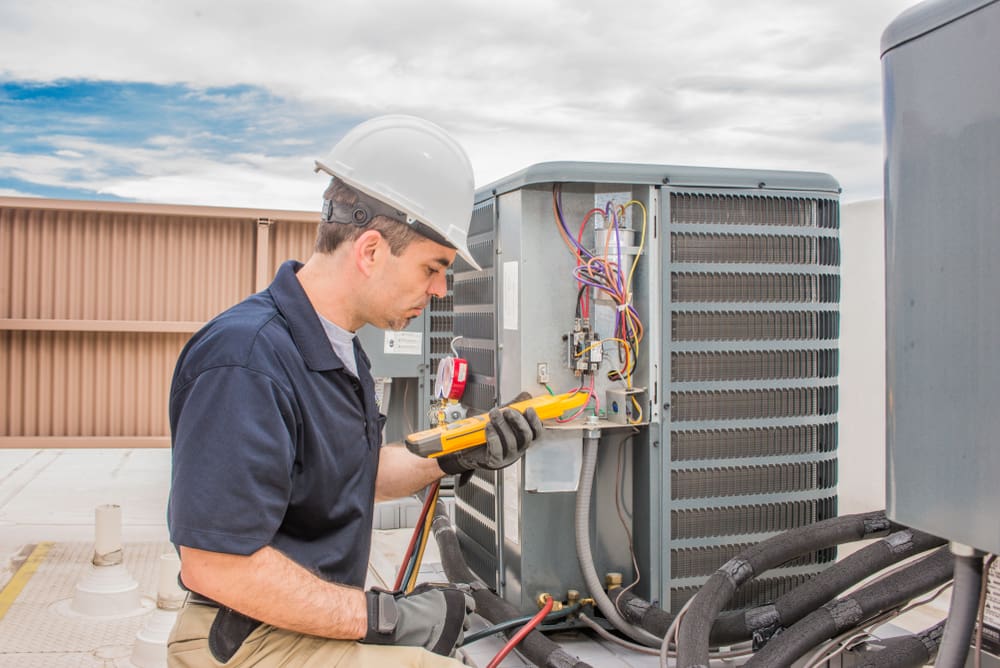
Commercial entities normally engage professionals like Tailored Mechanical for continuous maintenance agreements that cover different elements consisting of system diagnostics and repairs.

Energy Source Variances Between Kinds Of Units
15. Common Energy Sources for Residential Units
Most residential systems rely on electrical power or natural gas as energy sources due to availability and cost-effectiveness.
16. Diverse Energy Sources in Industrial Units
Commercial centers may make use of multiple energy sources consisting of eco-friendly alternatives like photovoltaic panels or geothermal heating/cooling solutions.
Noise Levels: A Comparative Perspective
17. Sound Factors To Consider in Homes
Noise levels generated by domestic systems are generally kept low because they run within confined areas near to living areas.
18. Handling Noise Levels in Big Facilities
In industrial setups where noise might disrupt operations, sound-dampening features end up being crucial parts of the style phase.
Regulatory Compliance: Various Standards at Play
19. Regional Codes Affecting Residential Installations
Residential units must adhere to particular regional building codes that can differ widely by region concerning performance standards or zoning laws.
20. Market Laws Affecting Commercial Units
Commercial installations face stricter regulatory standards including environmental effect assessments and occupational health standards.
FAQs About Key Differences Between Residential and Commercial HVAC Systems
FAQ 1: What is the primary difference in between residential and industrial a/c systems?
The main distinction depends on their size and intricacy; property units deal with homes while industrial systems resolve bigger buildings needing innovative control mechanisms.
FAQ 2: How typically must I preserve my property heating and cooling system?
Homeowners should preferably have their HVAC system serviced each year while carrying out minor maintenance tasks like filter modifications monthly throughout active seasons.
FAQ 3: Can I use a domestic unit in a business setting?
Generally not suggested due to size restrictions; nevertheless, specialized designs exist that blur these lines however usually require skilled assessment before installation.
FAQ 4: Why is expert maintenance crucial for business settings?
Professional upkeep makes sure compliance with industry regulations while promoting energy efficiency-- vital components for successful company operations!
FAQ 5: What function do energy efficiency ratings play when choosing a HVAC system?
Energy effectiveness rankings provide insights into functional expenses; higher-rated designs might have steeper in advance expenses however will conserve money with time through minimized utility bills!
FAQ 6: How can Tailored Mechanical help me with my heating and cooling needs?
Tailored Mechanical deals comprehensive services varying from setup consultations customized specifically towards your needs whether it's domestic convenience or industrial-scale operations!
Conclusion
In conclusion, comprehending the key differences between property and industrial heating and cooling systems is vital whether you're managing your home's convenience level or managing environment control in a busy service environment. By considering aspects like capability requirements, setup intricacies, upkeep practices, energy sources used-- and even sound levels-- you'll empower yourself to make informed decisions that lead not only towards comfort however also cost-efficiency! And keep in mind when searching for dependable service providers for your needs-- whether it's routine checks or emergency repairs-- don't be reluctant to connect to professionals like Tailored Mechanical who concentrate on all things related!